
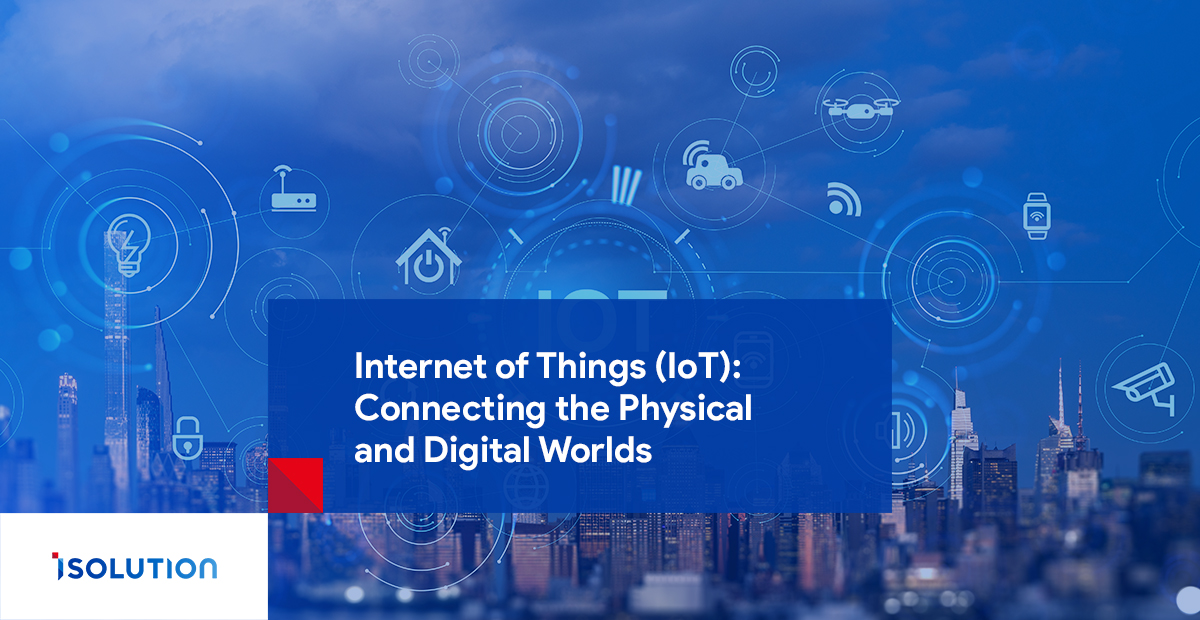
Internet of Things (IoT): Connecting the Physical and Digital Worlds
The rapid evolution of technology has fundamentally transformed how businesses operate and how individuals interact with their environments. Among the most impactful advancements is the Internet of Things (IoT), a network of interconnected devices that communicate, collect, and exchange data in real time. From smart homes and wearable devices to industrial automation and smart cities, IoT is reshaping industries by bridging the gap between the physical and digital worlds.
Understanding IoT
The Internet of Things refers to a system of physical objects, “things”, embedded with sensors, software, and connectivity that enable them to collect and share data. These devices range from everyday consumer products like smart thermostats and fitness trackers to complex industrial machinery and infrastructure systems.
At its core, IoT operates through a combination of four key components:
- Devices/Sensors: Capture data from the environment (e.g., temperature, motion, location).
- Connectivity: Transfers data through networks such as Wi-Fi, cellular, or low-power wide-area networks (LPWAN).
- Data Processing: Analyzes and processes data locally (edge computing) or in the cloud.
- User Interface: Enables users to interact with the system via dashboards, mobile apps, or automated responses.
This interconnected ecosystem allows organizations to gain real-time visibility into operations, enabling smarter decisions and improved efficiency.
The Business Value of IoT
IoT is a powerful driver of digital transformation, offering tangible benefits across multiple industries. By collecting and analyzing real-time data, organizations can optimize processes, reduce costs, and enhance customer experiences.
In manufacturing, IoT enables predictive maintenance by monitoring equipment performance and identifying potential failures before they occur. This minimizes downtime and extends the lifespan of machinery. In logistics and supply chain management, IoT devices track goods in real time, improving transparency and ensuring timely delivery.
Retail businesses leverage IoT to understand customer behavior through in-store sensors and connected devices, enabling personalized experiences and optimized inventory management. In healthcare, IoT-powered devices monitor patient health remotely, allowing for proactive care and reducing hospital visits.
Smart cities are another prominent application of IoT, where connected systems manage traffic, energy consumption, waste management, and public safety. These innovations contribute to more sustainable and efficient urban environments.
Key Technologies Enabling IoT
The success of IoT relies on a combination of advanced technologies working together seamlessly:
- Cloud Computing: Provides scalable infrastructure for storing and processing large volumes of IoT data.
- Edge Computing: Processes data closer to the source, reducing latency and enabling real-time decision-making.
- Artificial Intelligence (AI) and Machine Learning (ML): Enhance IoT systems by analyzing data patterns, predicting outcomes, and automating processes.
- 5G Connectivity: Offers faster speeds and lower latency, enabling more reliable and widespread IoT deployments.
- Cybersecurity Solutions: Protect IoT ecosystems from threats, ensuring data integrity and system reliability.
These technologies collectively enable IoT systems to operate efficiently, securely, and at scale.
Challenges in IoT Adoption
Despite its potential, IoT implementation presents several challenges that organizations must address. Security is one of the most critical concerns, as connected devices can serve as entry points for cyberattacks if not properly secured. Ensuring robust encryption, authentication, and regular updates is essential.
Interoperability is another challenge, as IoT devices from different manufacturers may use varying standards and protocols. Achieving seamless integration across systems requires careful planning and the adoption of standardized frameworks.
Data management is also a significant issue. The vast amount of data generated by IoT devices must be stored, processed, and analyzed efficiently. Without proper data governance strategies, organizations risk being overwhelmed by data without extracting meaningful insights.
Additionally, the cost of implementation and maintenance can be a barrier, particularly for small and medium-sized enterprises. However, advancements in cloud services and scalable solutions are gradually reducing these barriers.
IoT and Digital Transformation
IoT plays a central role in enabling organizations to transition toward more intelligent and automated operations. By integrating IoT into their ecosystems, businesses can move from reactive approaches to proactive and predictive strategies.
For example, in industrial settings, IoT sensors provide continuous monitoring of production lines, allowing for real-time adjustments and optimization. In customer-centric industries, IoT enhances user experiences by enabling personalized services based on real-time data.
Furthermore, IoT supports the development of new business models, such as subscription-based services and outcome-based pricing. Companies can offer value-added services by leveraging data insights, creating new revenue streams and strengthening customer relationships.
The Future of IoT
The future of IoT is closely tied to advancements in connectivity, data analytics, and artificial intelligence. As 5G networks continue to expand, IoT devices will become more efficient, responsive, and capable of handling complex tasks.
Edge computing will play an increasingly important role, allowing data to be processed closer to the source and reducing reliance on centralized systems. This will be particularly critical for applications requiring real-time decision-making, such as autonomous vehicles and industrial automation.
Sustainability is another key focus area. IoT solutions are being used to monitor energy consumption, reduce waste, and optimize resource usage, contributing to environmental goals and corporate responsibility initiatives.
As IoT ecosystems continue to grow, data privacy and ethical considerations will remain at the forefront. Organizations must ensure transparency, compliance, and responsible data usage to maintain trust and credibility.
Conclusion
The Internet of Things is transforming the way organizations operate, innovate, and deliver value. By connecting devices and enabling real-time data exchange, IoT empowers businesses to make smarter decisions, improve efficiency, and create new opportunities.
However, successful IoT adoption requires a strategic approach that addresses security, interoperability, and data management challenges. Organizations that invest in the right technologies, skills, and governance frameworks will be well-positioned to harness the full potential of IoT.
In an increasingly connected world, IoT is not just a technological trend, it is a foundational element of the digital future.
Reference:
International Data Corporation (IDC). “The Growth in Connected IoT Devices and Its Impact on Data Creation.”




Leave a Comment